
- Trang chủ
- How to Stay Sober During the Holidays NMW Recovery
How to Stay Sober During the Holidays NMW Recovery
Bring your own or select a festive nonalcoholic option and have an exit or even escape strategy if you start to feel anxious. Make sure you have your own transportation so that you can leave quickly if you feel uncomfortable. Call your sponsor before the party and walk through the plan. And, bring the address of the nearest AA meeting, just in case. Having a plan will help you stay focused on your desired outcome – staying sober during the holidays. The holidays are an opportunity to start new traditions that support your recovery journey.
Mục lục
Set Boundaries
If you decide to attend a party, plan your arrival and Oxford House departure times and ensure you have a way to leave early if needed. Know how you’ll respond to offers of alcohol or other substances. It might be as simple as having a non-alcoholic drink in your hand at all times or preparing a polite but firm way to decline such offers.
- Schedule regular breaks during busy days, eat balanced meals, and make time for rest to avoid exhaustion and overwhelm.
- There are so many ways to help others, and doing so can help you count your blessings and stay on the path to recovery.
- Consider hosting a sober gathering, volunteering, attending recovery meetings, or participating in alcohol-free community events like holiday markets or movie nights.
- But it’s important to let them know what you need to feel comfortable during the holidays.
- Also, prepare an exit strategy to implement if you feel overwhelmed or triggered.
Reach Out to Muse Treatment to Help You Celebrate a Sober Holiday
Xavier Aguayo, Clinical Therapist at Loma Linda University Behavioral Health, explains that for many people, sobriety means stepping into a completely new way of living. The holidays are commonly idealized as joyful and easy, but many people experience pressure to appear happy or sociable. When expectations don’t match reality, people may feel shame, guilt, or frustration, all of which can fuel urges. If you or someone you care about is struggling with drug or alcohol addiction, we can help you explore your recovery options.
Focus on the True Spirit of the Season
If you are trying to support a loved one who is struggling during the holidays, educate yourself about addiction and recovery. Become familiar with the challenges that arise to be able to better empathize and communicate with your loved one. Before someone relapses on drugs or alcohol, there are typically many warning signs. Identifying these warning signs early and utilizing positive coping mechanisms sober holidays can decrease your risk of relapse. You deserve a holiday season defined by clarity, health, and hope, not pressure or fear.
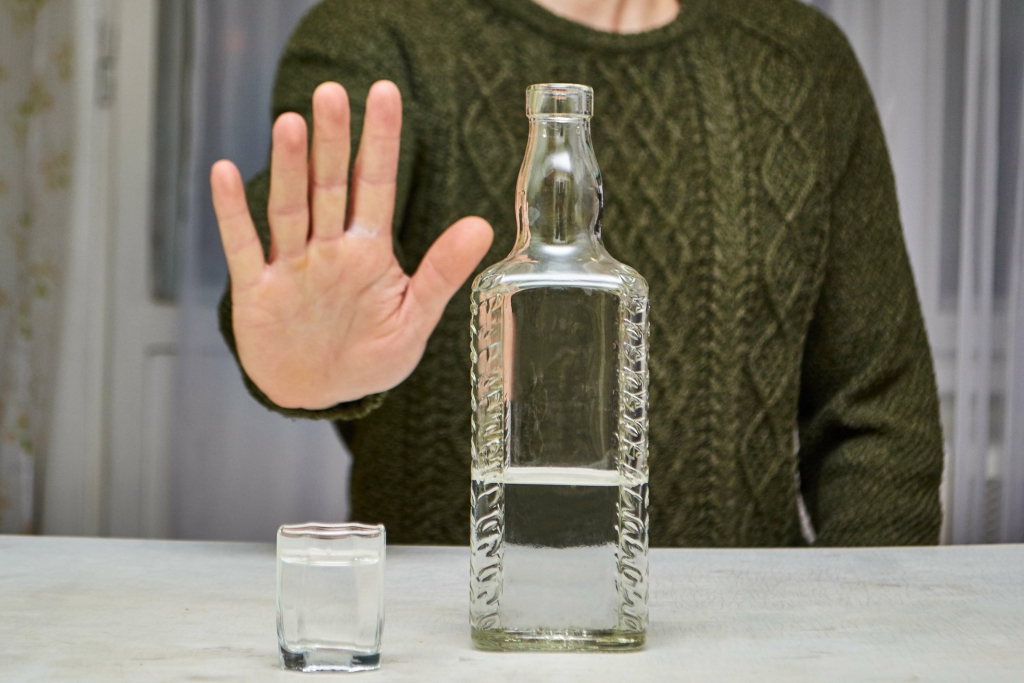
The more you keep your mind off drinking, the less likely you will relapse. Just like certain people and places can trigger a craving for https://doghealhjp.com/6062/ drugs or alcohol, certain foods and drinks can also be triggers. If you know that eggnog makes you want to drink, then don’t have any around the house. And if you’re going to a party with alcohol, eat something beforehand, so you’re not tempted to drink on an empty stomach.
For further guidance, our Outpatient Alcohol Treatment Ultimate Guide provides comprehensive information. Redefine celebration by creating new, alcohol-free traditions. This strengthens sobriety and brings new joy to the season. It’s okay to decline invitations or limit time with triggering people to protect your peace. Understanding the importance of setting boundaries is crucial, as highlighted in our Pre-Rehab Addiction Intervention Guide. You will likely be offered alcohol, and a prepared response makes declining easier.
- Sometimes we get caught up in how we have always celebrated the holidays.
- Choosing your events wisely is also critical; you don’t have to attend every party.
- Find support through friends, family, and advocates of your sobriety.
- This is called the “post-holiday blues,” and it is usually temporary.
Ensure that your basic needs are met over the holidays so that you are able to focus on other important things.2. The holidays should be a festive and happy occasion, but they also pose significant challenges. The winter season may enhance strained relationships and increase drug and alcohol temptations. This article discusses the challenges of staying sober during the holidays and seven actionable tips to prevent relapse. The holidays don’t have to be difficult for people in recovery.

Find Gratitude in the Season
Winter holidays like Christmas, Hanukkah, Kwanzaa, and New Year’s Eve may involve stress, which for people in recovery, can be a trigger. At Recovery Guide, our mission is to connect as many individuals struggling with mental health and substance abuse disorders to reputable treatment facilities. Cenikor can help you navigate the winter holidays with confidence. To learn more about how to sustain your recovery journey year-round, explore our resources on Learn more about aftercare and relapse prevention.
Think of coping skills as individualized tools in your very own toolbox that you personally put together. Discovering what coping skills to use during the holidays in order to stay sober and practicing them should be a number one priority for someone working on their recovery. Fear of feeling different is one of the reasons people drink at parties even when they don’t want to.
It’s important to have open and honest communication to make this season enjoyable and safe. Stress-reduction techniques provide a simple, yet essential strategy for helping to prevent relapse in addiction recovery, especially during a busy or stressful holiday season. Not everyone has a family or friends to be with during the holidays, a time of year when particular focus is put on socializing and spending time with loved ones.
Zahr also highlights how reducing alcohol intake minimizes acetaldehyde toxicity, protecting the brain and enabling better decision-making in social settings. From financial stress to family conflict, the added stress can make it more difficult to resist the temptation to drink. Such triggers can be emotional (e.g., loneliness, anxiety, depression) or physical (e.g., fatigue, poor sleeping habits). For people in recovery, it can be hard to resist the temptation of alcohol when it’s present at the dinner table. Often, people in recovery will have to deal with family members who are drinking.
If you’re struggling to get through the holidays while staying sober, you’re not alone. Fortunately, there are various ways to handle stressful situations and communicate openly with your loved ones. Although the holiday season is known as a particularly difficult time for people in recovery, other holidays can also be just as triggering. As with depression, anxiety is linked to addiction, making feelings of anxiety triggering for many people in recovery. After the excitement and anticipation of the holiday season is over, it’s common to feel sad, disappointed, or a bit down.
